
In this blog Chloe Schendel-Wilson reflects on the representation of disabled people in politics and the key areas where The Disability Policy Centre is campaigning for change
The upcoming General Election is an opportunity to reflect on how well disabled people, and people with long-term health conditions, are represented and whether there will be an increase in representation after the election. It is also an opportunity to highlight what the next government needs to put in place to make sure disabled people and disabled women are better represented.
The Disability Policy Centre is a think tank developing policy solutions that break down barriers for disabled people, in every aspect of our society. Our first ever report Breaking Down Barriers was about improving disabled political representation in the UK and this is an issue which has remained central to our work. Our research found 8 out of 650 MPs had declared that they had a disability in Parliament and 16 percent of councillors were disabled. Since the release of that report, we identified a further 6 MPs who served in 2019-2024, totalling 14. However, one in four people have a disability or long-term health condition in the UK, making disabled people significantly underrepresented in our political system. Our most recent report shows that the 2024 – 2029 Parliament is likely to be even more unrepresentative, with 9 disabled MPs looking likely to be elected.
The under-representation of disabled people cannot be ignored, and political parties, Government and the Parliamentary authorities must seek urgent action in order to truly improve this picture.
A key priority is to tackle discrimination amongst parties. Discrimination and accessibility barriers exist at all levels of the political process. 82 percent of the participants we spoke to in our Breaking Down Barriers research in 2022 felt that they had been discriminated against by their political party or group. This is due to the ableist culture of parties, which fails to support their most basic accessibility needs and makes them feel unwelcome. When candidates want to put themselves forward for selection to be a councillor or MP they face barriers in the process due to the lack of adjustments in place. There are also additional barriers they face when elected. For example, local councils may not be accessible or give them reasonable adjustments. There is a lot of work that needs to be done to empower disabled people to have their voices heard.
We are also calling for the Access to Elected Office Fund to be reinstated immediately to support disabled people contesting elections who require reasonable adjustments. From listening to the experiences of the women attending the D/Deaf & Disabled Women in Politics Network we run with Centenary Action and Elect Her, we know lack of funding is a significant barrier for disabled women looking to contest elections. Extra costs occur for disabled candidates, who already face a higher cost of living than non-disabled people, and may have to pay extra costs for things like travel, BSL interpreters and accessible technology. This is the first year since July 2012, when the Access to Elected Office Fund was launched, that centralised funding is not available for disabled candidates to cover some of these costs of standing for election. Along with Disability Rights and Centenary Action we have successfully campaigned on this, and the recently published Disability Action Plan committed to funding being reinstated by 2025, however it is crucial that this is a priority. We also need to ensure it is protected and funded sufficiently.
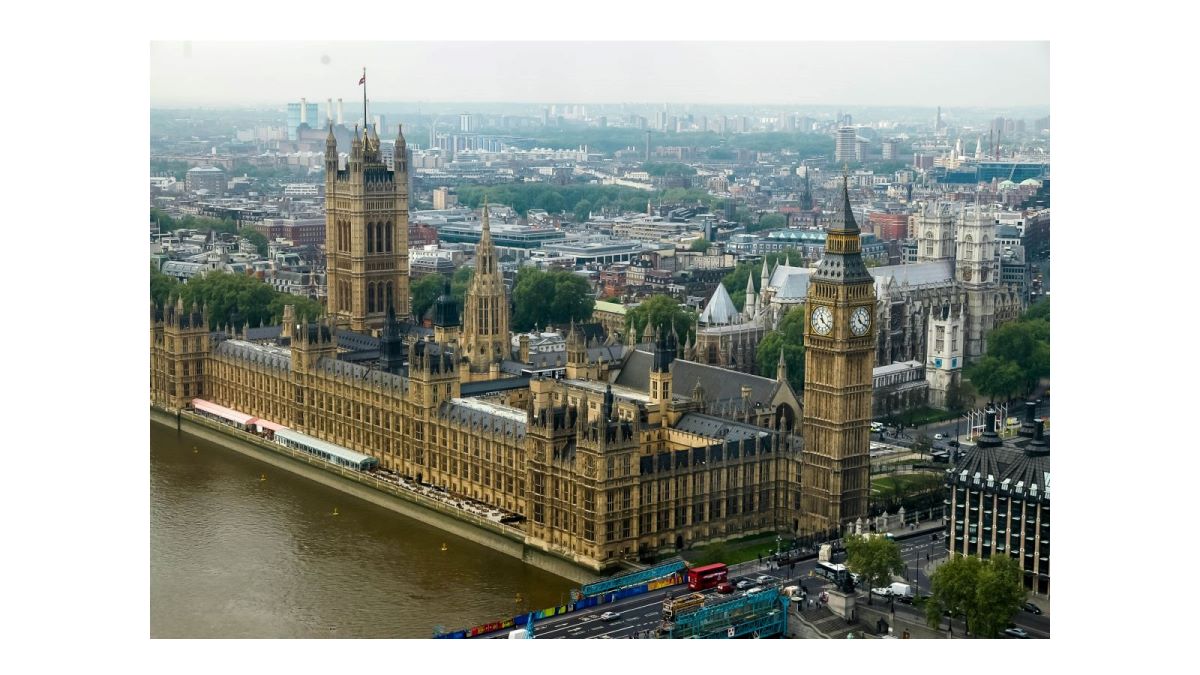
Improving the accessibility of Parliament is also vital to increasing disabled representation. There was a wheelchair using candidate that we spoke to in 2022 who withdrew their candidacy because they thought the logistics of navigating Parliament would be too difficult. There are numerous stories of MP’s having bad experiences with a lack of accessibility. If Parliament is not accessible for disabled visitors and staff members, such as Parliamentary researchers, who often forge their own political careers, or school children visiting, we will continue to shut out the ambitions of our future generations of disabled politicians. More disabled politicians means a richer pool of insight across a range of areas, not just disability.
Disabled people are wholly under-represented at every stage of public life, and unfortunately things are getting worse. If we really want to create a society that works for everyone, and a democracy that reflects the country that we serve, the necessary action must be taken: by the Government, Parliamentary Authorities and Political Parties themselves.