
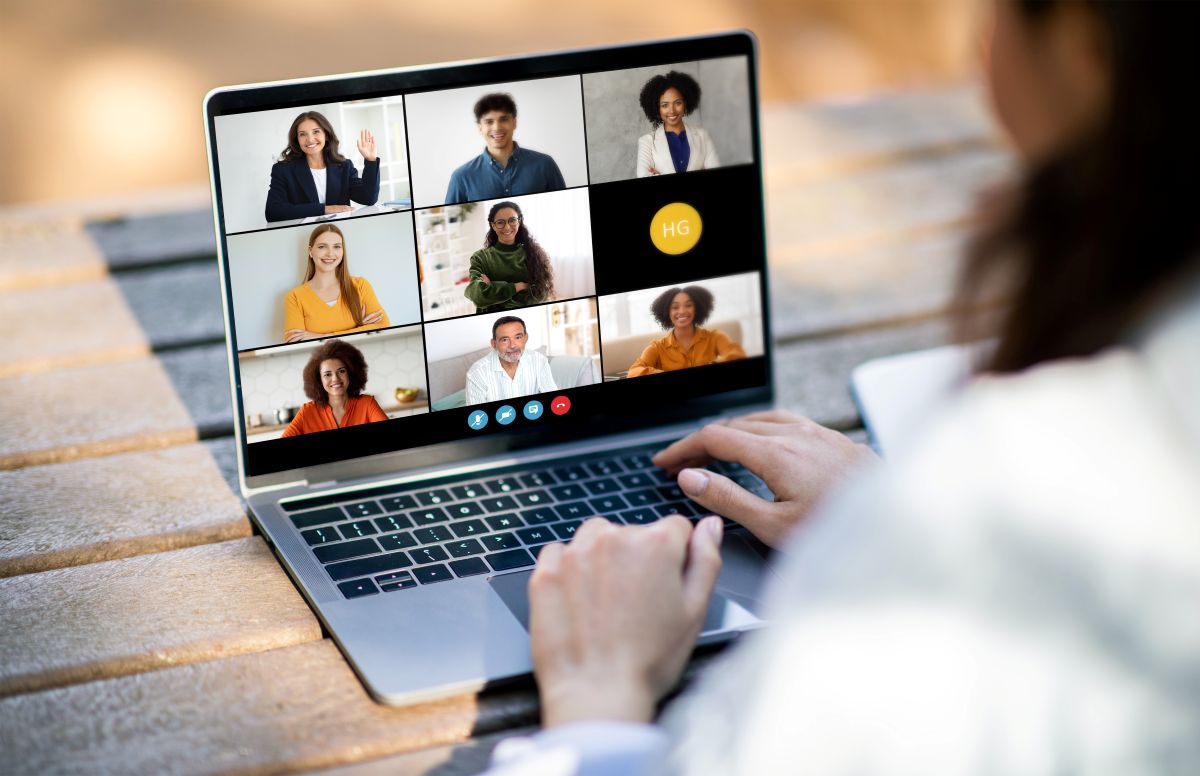
We are calling on The Leader of the House to immediately bring forward a motion to allow additional virtual participation in all House of Commons proceedings.
The @CommonsLeader rang me yesterday morning to advise he would change rules for clinically extremely vulnerable to participate in debates in the Commons but in true @Jacob_Rees_Mogg style wanted to announce to House not press. This was very much pre-PM self isolation news.
— Dame Tracey Crouch (@tracey_crouch) November 15, 2020
The Covid-19 pandemic has highlighted several inequalities deeply embedded within our society, but it had also presented an opportunity for the government to create a fairer and more inclusive parliamentary environment. Instead, by continuing to limit the availability of virtual participation measures, many MPs have effectively been shut out of decision-making and this has further compounded the representational inequalities that exist in Parliament.
In May Centenary Action coordinated a cross-party letter signed by 36 MPs to the Speaker of the House of Commons calling on him to ensure all MPs could continue to participate in Parliament after restrictions from the first lockdown were loosened, either virtually or in person. Instead, the provisions available to MPs have since been narrowed, and just last week, Tracey Crouch MP, who is shielding as a result of her ongoing treatment for breast cancer, was excluded from participating in a debate on breast cancer services because she could not travel to Westminster to participate in person.
During the first lockdown, video conferencing was used to keep the business of government running. The continuation and expansion of these facilities could greatly benefit and encourage the active participation of women and members of other historically marginalised groups in political life.
Inability to travel to Westminster to attend in person debates and carry out other in person Parliamentary duties severely impacts the ability of MPs to serve their constituents effectively, and its impact is not felt equally across the House. MPs who are classed as vulnerable – elderly MPs, pregnant MPs, MPs with disabilities and chronic illnesses, or MPs with caring responsibilities towards those who fall into the aforementioned categories, as well as MPs from constituencies outside of London who may feel they can’t justify the risk to themselves and the public that travelling the lengthy distance to Westminster poses, are effectively locked out of participation during this period.
The diversity of women MPs is not reflective of the population, not least in terms of ethnicity and class. This is also true for people with disabilities. 16% of working-age adults in the UK are disabled, yet just 5 MPs identify as being disabled. Increasing the flexibility of how parliament operates can change this in the long term, and allow those existing MPs fair and equitable access to Parliament in the short term.
While The Leader of the House has indicated that he will take steps to enable virtual participation within the Chamber, this continues to exclude MPs from taking part in the many other formats of debates and procedures such as the Westminster Hall debate that Tracey Crouch MP was excluded from.
Shadow Leader of the House, Valerie Vaz, said she had written to the Leader of the House, arguing that the exclusion of Ms Crouch would have been unlawful under employment law in another workplace situation. In her letter she expressed that “Legal advice obtained by the Shadow Solicitor General, Ellie Reeves MP, has shown that if MPs were ‘employees’, then the current rules would likely amount to discrimination on grounds of disability, age, sex and/or pregnancy under the Equality Act”.
Centenary Action has launched a new initiative to identify and promote the benefits of virtual parliament measures for women and minority groups and encourage the continued use of technological advances to allow a wider range of people – particularly women – to participate more actively in politics. We are calling on The Leader of the House to immediately bring forward a motion to allow additional virtual participation in all House of Commons proceedings.
Last weeks incident was a stark reminder of the real-life impact that reversing the availability of those facilities has on political participation. Those most impacted by this virus, are also those least able to participate in Parliamentary debates and procedures under the current restrictive provisions. It is incumbent on the government to act now in the interest of both MPs and their constituents to change this, and to ensure equitable access to Parliament for all MPs.