
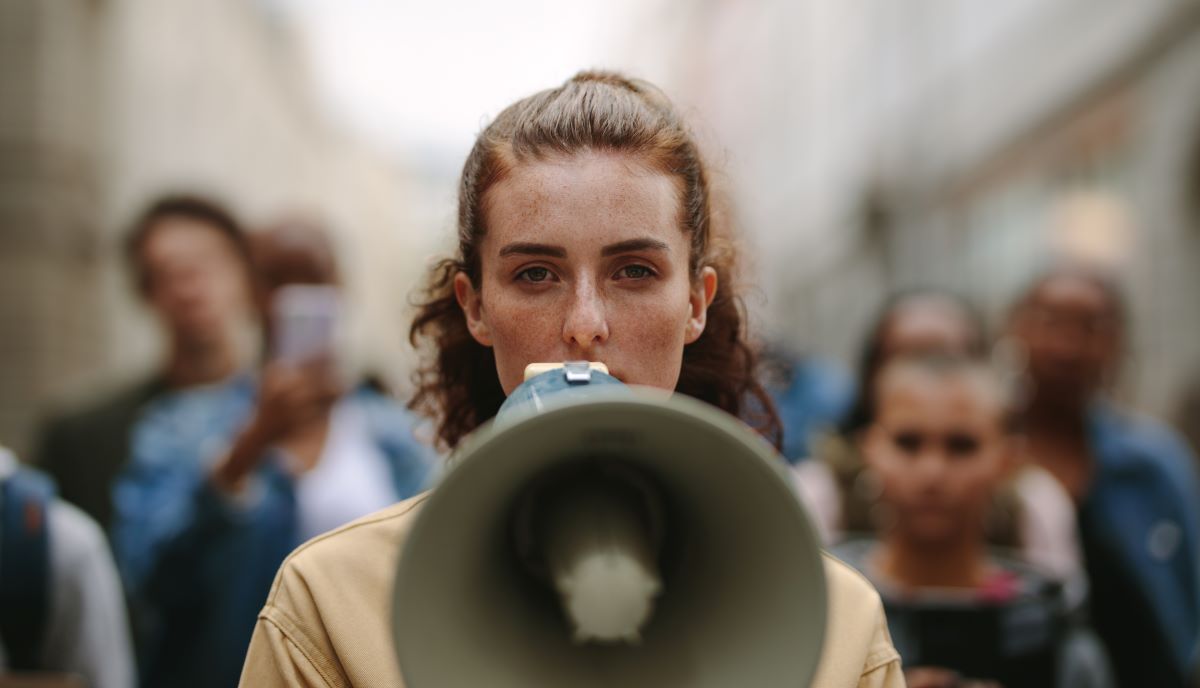
In this blog Girlguiding Advocate Jiya (17) reflects on the recent advance in the number of women MPs and why young women are key to achieving a gender equal parliament.
Politics shapes the world we live in, yet for too long, half the population has been under-represented in decision-making. While women now make up 40% of MPs in the UK—a milestone worth celebrating—true progress demands more. Parliament must achieve gender equality, with at least 50% of MPs being women, to fully reflect society.
This goal is about more than numbers; it’s about embracing diverse perspectives in decision-making to build a fairer, more inclusive society. It’s a call to action not just for women already in politics but for young women, like me, to step up, speak out, and shape the future. For centuries, decisions affecting everyone have been overwhelmingly formed by men. Yet research consistently shows that gender-balanced teams are more effective at addressing systemic inequalities. When women are represented, issues that disproportionately impact them—such as gender-based violence, reproductive rights, and equal pay—receive the attention they deserve. A Parliament that mirrors the diversity of the UK is essential to serving its people effectively.
The 40% milestone is encouraging and represents the highest proportion of women MPs in UK history. This new wave of women leaders brings fresh perspectives and experiences to Westminster, reshaping what political power looks like. But 40% is not enough. Progress can stall or even reverse without continued momentum. The next step is reaching at least 50% women MPs, and that requires nurturing the next generation of women leaders, inspiring young women to see politics as a space where they belong and can thrive.
With more women in Parliament, we can champion the issues that matter most to girls and young women. The Girlguiding Girls’ Attitudes Survey 2024 highlights some of these key challenges. Safety is a growing concern, with 47% of girls aged 11–21 feeling less safe due to sexism and misogyny—a dramatic rise from just 17% a decade ago. Parliament must prioritise policies to tackle street harassment, improve public transport safety, and support victims of violence. Mental health is another pressing issue, with half of girls aged 7–21 feeling anxious about their future. Accessible, timely mental health services are vital. Online harm also looms large, with 77% of girls and young women aged 7–21 reporting experiencing harm in the past year. Stronger regulations and educational programs are needed to create safer online spaces. The cost-of-living crisis has further exacerbated these challenges, with one in three girls aged 11–21 reporting its negative impact on their mental health and well-being. Economic policies must address these struggles, particularly for families with young girls.
Achieving gender equality in Parliament begins with empowering young women to see politics as accessible and impactful. The narrative that politics is intimidating or unwelcoming must change. Youth councils, campaigns, and even running for office are avenues where young women can lead change. Organisations like Girlguiding provide a fantastic foundation, offering programs like “Future Girl” and “Take Action” to help girls build confidence and find their voice.
Imagine a Parliament that truly represents the UK— at least 50% women, diverse in background, and united in making life better for everyone. If you’re a young woman reading this, consider how you can get involved. Whether through sharing your views, joining debates, or campaigning for causes you care about, your voice matters. Together, we can create a world where everyone’s voice is heard, and everyone has a seat at the table.