
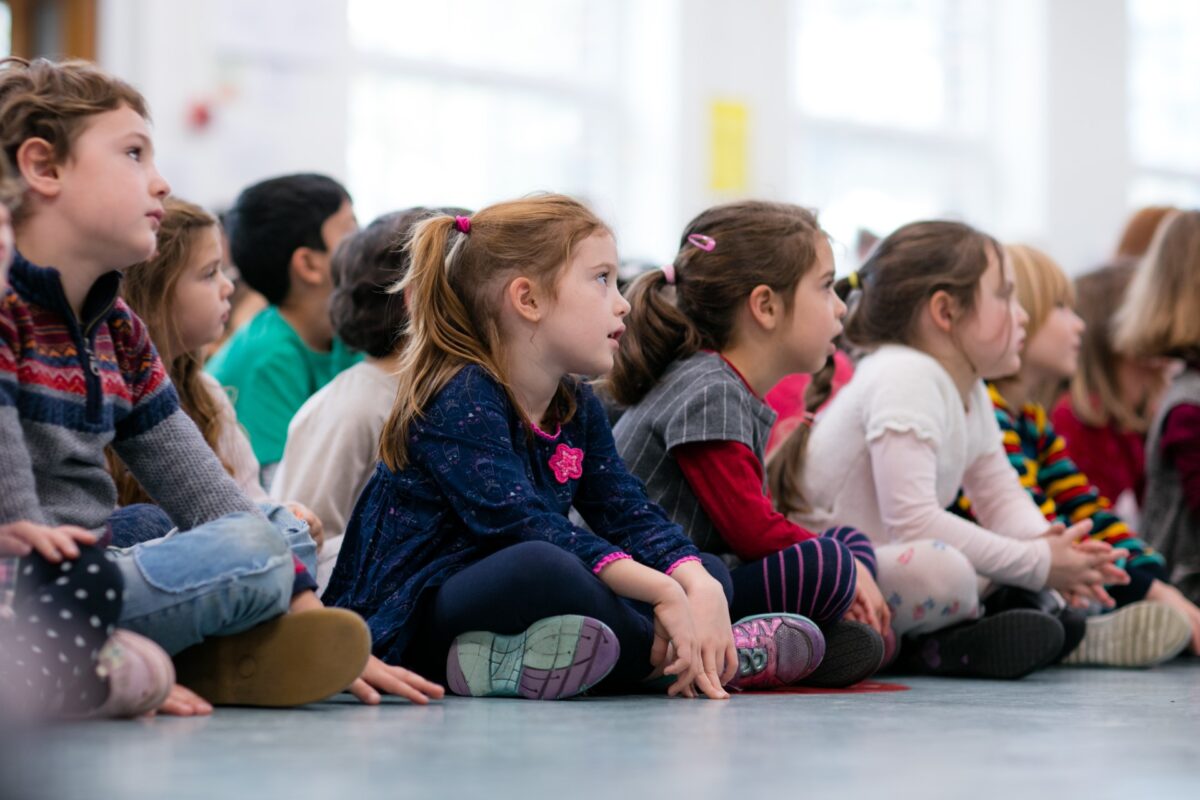
Telling girls from a young age that politics is for them and showing them role models is vital to getting more women into public life. We’re delighted that Caren Gestetner, Chief Executive, Lifting Limits, a charity with a mission to challenge gender stereotyping and promote gender equality, in and through education has written this blog for us. She sets out the work they’ve been doing in primary schools to coincide with our #celebratingwomenMPs campaign.
Gender stereotyping surrounds children in every aspect of their lives and impacts future life choices, wellbeing and development. That’s why we need a whole school approach to challenging them.
Gender stereotyping matters
Gender stereotyping matters; its impacts can be seen in a range of inequalities across society – from school subject choices and career aspirations in childhood, feeding occupational segregation in the workplace and the gender pay gap, to health and mental health outcomes. In public life, stereotyping feeds the under-representation of women in the House of Commons (35% of MPs) and in the House of Lords (29% of Members).
The seeds for these gendered outcomes are sown from birth, with toys, clothes, language and the assumptions of those around them fostering different interests in children according to their gender and encouraging different choices and aspirations from a young age.
A whole school approach to addressing gender stereotyping
Even the best schools are not immune from the effects of gender stereotyping, which comes into the school environment through the attitudes (conscious and unconscious) of staff, pupils and families and manifests in language, books, teaching materials and curriculum teaching. Look at who is taught in primary schools as scientists, artists, composers or explorers and you may find that white men dominate the curriculum. This happens ‘below the radar’ – without sexist intent – yet can have a profound effect on children’s developing view of the world and their place in it. Whilst children are often told in school that they can do anything regardless of gender and that sexist language is wrong, those overt messages are all too often undermined by what children see, hear and experience in the school environment.
At Lifting Limits we believe that all children should be free to form their own interests and follow their own path in life, free from the limiting effects of gender stereotyping, and that is why we work to support primary schools to recognise and challenge these stereotypes. Drawing from evidence from a range of areas – focussing on girls’ physics participation, boys’ achievement in literacy and sexual harassment in schools – we use a whole school approach, addressing school ethos, curriculum, routines and practices. Having tested this approach in a pilot year, we know that it works, leading to greater acceptance amongst children of a more diverse range of roles and possibilities for women and girls, men and boys (for themselves and for others), enhanced critical thinking, reduced polarisation and improved relations between girls and boys.
Women’s political participation
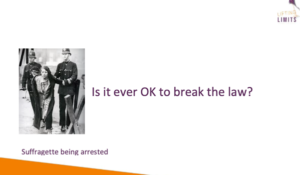
Our programme supports schools with training and resources to support them in recognising and challenging gender stereotyping in the school environment and to equip their pupils (through questioning, discussion and development of critical thinking skills) to challenge gender stereotyping wherever they encounter it. For example, a maths lesson on interpreting data uses data on female MPs, introducing discussion around under-representation and its possible causes to maths teaching. Our role model poster series includes Tulip Siddiq, MP for Hampstead and Kilburn, quoting her advice to children to ‘be the change you want to see in the world – don’t wait for others to change things for you’. Discussion card resources include an image of a Suffragette being arrested, asking children ‘is it ever OK to break the law?’
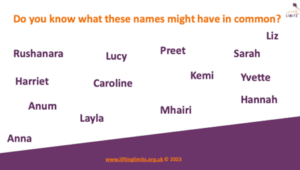
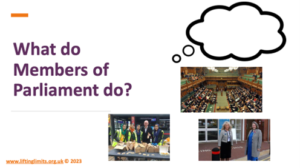
For Centenary Action’s event celebrating the anniversary of equal suffrage, we have developed two assembly resources for schools to use with Key Stage 2 children (ages 7-11), introducing ideas around equal representation in Parliament and the roles of campaigners. The assemblies ask children to think about the qualities and characteristics that a person might need as an MP and the benefits of diversity of representation in MPs, as well as showing children that they themselves have the potential to represent others and the voice to campaign for issues they care about.
What next?
It is more important now than ever that society lays the foundations for gender equality from the early years, if gender unequal outcomes are to improve for future generations. Our education system needs both to banish stereotyping from the school environment and to equip the next generation to call it out wherever it appears. Beyond individual schools, policy influencers and all those with responsibility for the content, quality and delivery of children’s education have an important role to play.
For more information visit www.liftinglimits.org.uk. To join our programme – or find out how you can be part of the change – contact info@liftinglimits.org.uk. You can download the slides and accompanying guidance for our new primary school assemblies here [Resources for schools and families – Lifting Limits]