
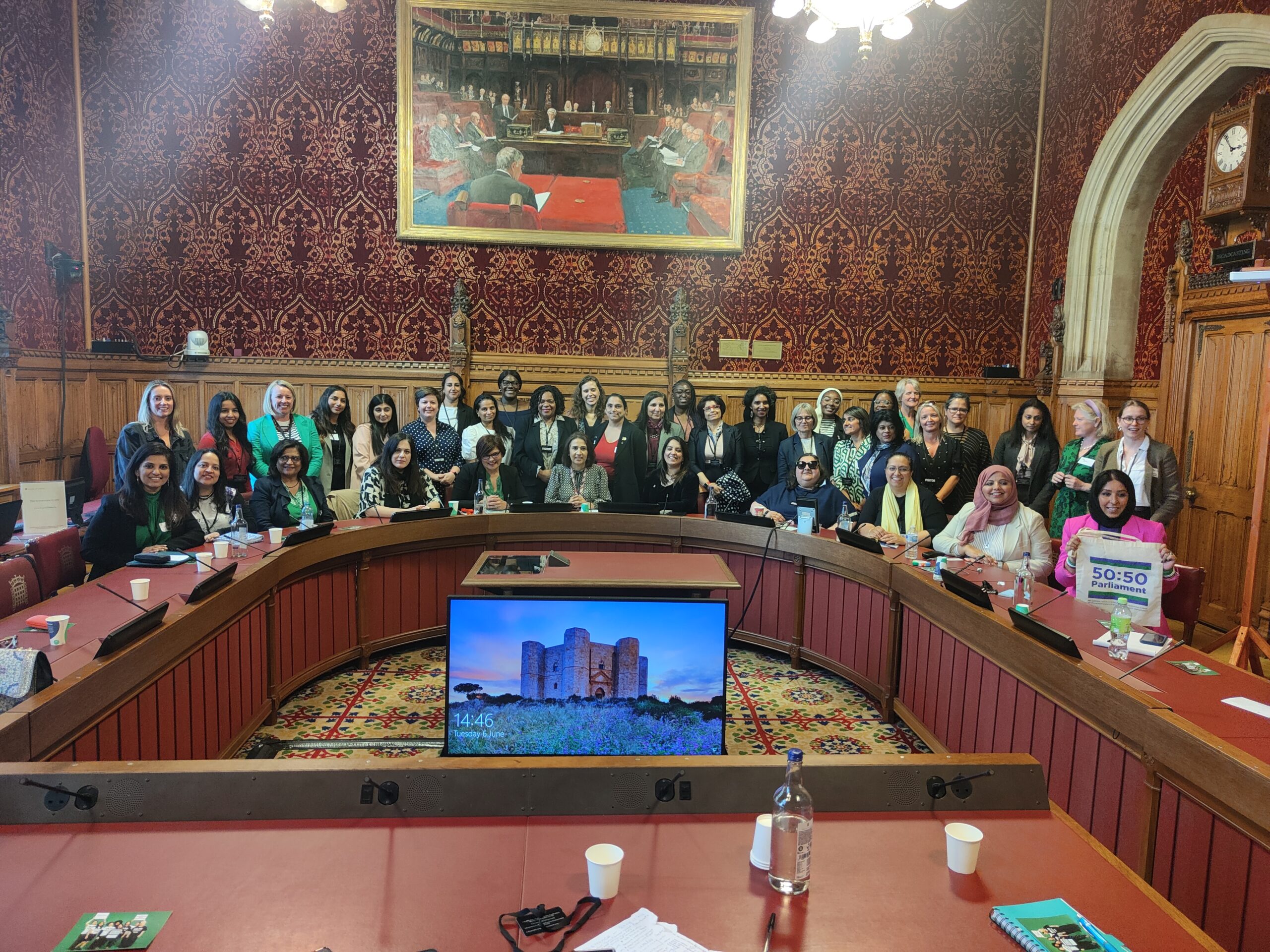
Getting more women into parliament, and public life in general, is our key mission. But we also want to be sure that women in all their diversity are properly represented. We know that women of colour face additional and different barriers to participating and that there are some important changes that need to be made so we can ensure those women can bring their great skills and expertise to our democracy.
We spoke to Shazna Muzammil, Conservative Councillor and Iram Woolley, Labour activist and 5050 Parliament facilitator, who both spoke at our recent event on ‘Increasing the participation of women of colour in politics’, to hear first hand about what’s important to them to support them in their journeys to selection.
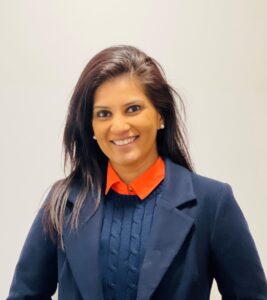
Shazna Muzammil
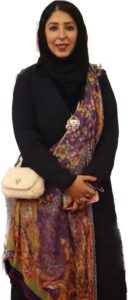
Iram Woolley
What did you find interesting about Centenary Action’s recent event on ‘Increasing the participation of women of colour in politics’? Which issues stood out?
SM: It was so good to see a room full of people who had jumped so many barriers to get where they are. I was proud to sit amongst all the councillors and MPs that attended. However, the event also highlighted some of the challenges, particularly the story shared by Cllr Cecile Wright, who spoke about her ten year journey to become the first black woman elected to Derby City council. Something I think we need to talk about more is how we encourage the next generation of ethnic minority talent through working with schools and showing them the opportunities of a career in politics.
IW: One profound realisation for me has been the critical importance of allyship and women uplifting each other in our shared journey. Thangam Debbonaire MP emphasised a very tangible aspect of this, pointing out that the intensity of campaigning often requires practical support – from ensuring the wellbeing of candidates with basic needs like nutrition to the more complex challenges they face.
Addressing the obstacles that hinder women from progressing in politics is a paramount concern. The importance of tools like training, shadowing, and mentoring cannot be overstated. They act as powerful aids to help women navigate and overcome these barriers.
What one change would you like to see in your party to increase the participation of women of colour in politics?
SM: The Conservative Party has set a very clear objective to increase the number of women elected and to increase the diversity of candidates. There is a team that goes and scouts for talent. However, I think more needs to be done to get that message across at association level, as they are the ones that ultimately make the decisions about which candidate gets selected to stand for a particular seat.
At the grassroots level, I would like to see a real focus on creating a culture of belonging and making sure that everyone feels involved and that what they bring to the table is respected. I am Chair of Milton Keynes Conservative Women’s Organisation (CWO) and this is the approach which I try to take.
IW: Once you’ve secured an official candidate status for the Party, there’s a provision to apply for a bursary for necessities like a laptop. However, the lack of financial support while striving for selection as a candidate can be a huge obstacle. Let’s remember that underrepresented groups often face economic constraints, and the financial demands of campaigning can be daunting. I believe that Labour should extend greater support to level the playing field for prospective candidates including training on fundraising for campaigning. We have incredible women who could make monumental differences but are restricted by limited resources.
Are there changes you would like to see in parliament to make it work better for women of colour?
SM: Sometimes meetings and sittings in parliament go on until late at night and that is really hard if you have a young family. I also wonder how productive you are when working that late at night! I think adjustments need to be made so that it’s easier to balance the role with family life. This wouldn’t just benefit women but men as well.
IW: There should be strategies to make the parliamentary environment more welcoming and inclusive. Consider the entrance protocol – all visitors must pass through security. If searches are deemed necessary, these should be conducted privately, preferably by women for women, to respect their dignity and privacy. Making parliament more welcoming for women could be as simple as increasing the presence of women in its visual representations. This could mean adding more portraits of influential women in conspicuous places, such as the grand hall where visitors first enter.
What would you like the government to do? Are there things you would like to see in manifestos that would improve women of colour’s participation in politics?
SM: In order to improve women of colour’s participation in politics, it is imperative to foster an environment that values talent and provides equal access to opportunities, rather than simply enforcing gender or ethnic quotas. Merely ticking boxes is not a viable solution. Instead, we must develop a strategic approach that embraces diversity and cultivates a shared sense of belonging.
To encourage greater representation of ethnic minorities in elected positions, we need inspiring role models who understand various cultures and can engage with communities. It is crucial to reach out to young people, engaging them in conversations about a career in politics and igniting their interest. By identifying potential candidates and offering mentoring opportunities, we can nurture their growth and development.
IW: I am ardently advocating for policies that actively tackle hate crime and Islamophobia. Organisations such as Muslim Women’s Network UK and Tell MAMA are paving the way in this significant field of work. Their efforts highlight the pressing need to turn societal attention and legislative action towards these critical issues. We must ensure it aligns with the principles of clean & ethical politics. Furthermore we also have to consider ways to uphold women’s rights and other human rights, as this would then be of significance, and beneficial.
What training or support has been most beneficial to you?
SM: CWO, Women2Win and 5050 Parliament have all been great. They really help you to understand the process and put you in touch with others going through it as well.
IW: I have been fortunate to engage in diverse training opportunities, each providing unique insights and growth in their own special way. My commitment to the cause of equitable representation has led me to play an active role in 5050 Parliament. I’ve now advanced to the point where I contribute by leading some of their sessions myself.
What advice would you give to another woman of colour wanting to progress in politics?
SM: Embrace your voice: Recognize the inherent value of your knowledge, insight, and experiences. Stand up, speak up and make your mark, knowing that your perspective is crucial for shaping inclusive legislation. Your voice deserves to be heard, and your contributions are significant.
Own your identity and experiences: Embrace your identity as a woman of colour and the unique experiences that have shaped you. Your lived experiences can provide valuable insights and perspectives that are needed in policymaking. Emphasise the importance of diversity and inclusivity, and let your authenticity and passion shine through your political journey.
Stay true to your values: Politics can be demanding, but it is crucial to stay true to your core values and principles. Let your integrity guide your decisions and actions. By maintaining a strong moral compass, you will gain the trust and respect of both your constituents and your colleagues.
IW: In facilitating my ‘Connect and Reflect‘ sessions with 5050 Parliament, I adopt a coaching mentality, posing open-ended questions. I wholeheartedly believe that by providing women the right space, they will uncover their own solutions. Particularly for women of colour, it’s crucial to devise strategies to combat online harassment, equipped with the understanding to effectively address it. While some may argue that such discussions might be discouraging, I’m of the opinion that preparedness and possession of the right resources are key. For this, organisations like Glitch offer truly invaluable training.
Which women of colour in politics inspire you?
SM: Pam Gosal MSP in Scotland has been a real source of encouragement to me personally. She has supported me and encouraged my ambitions as well as giving me practical support like writing a political reference. I really see the strength of women working together and lifting each other up in the way she has helped me.
IW: My guiding figures include the likes of Baroness Shaista Gohir, Naz Shah MP, and Nus Ghani MP. Their profound understanding and unique perspectives are what truly resonate with me and inspire my path forward.